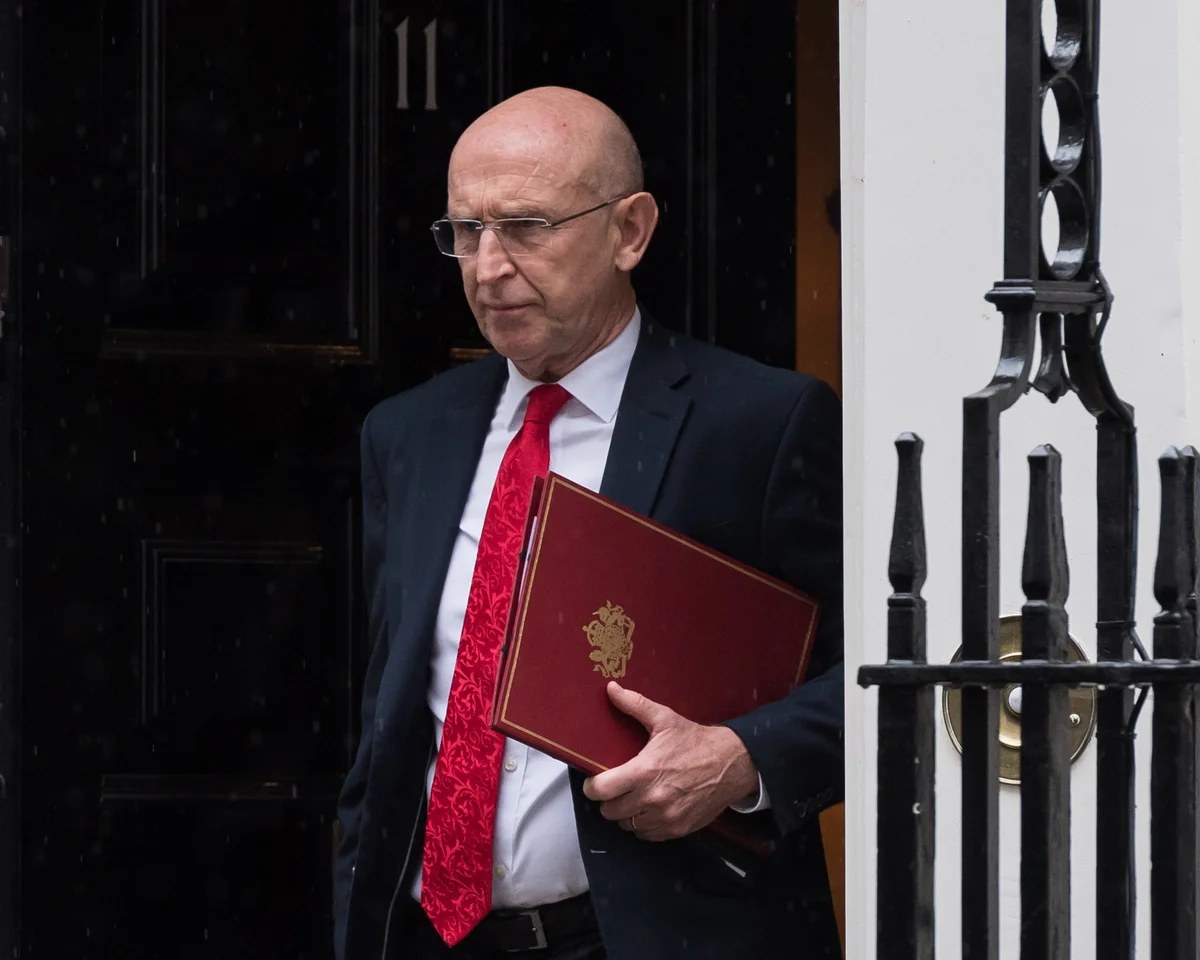
Ravinder Athwal, the economist who wrote Labour’s 2024 manifesto, is taking on a senior role as an adviser to John Healey, in a move likely to fuel speculation about an early general election.
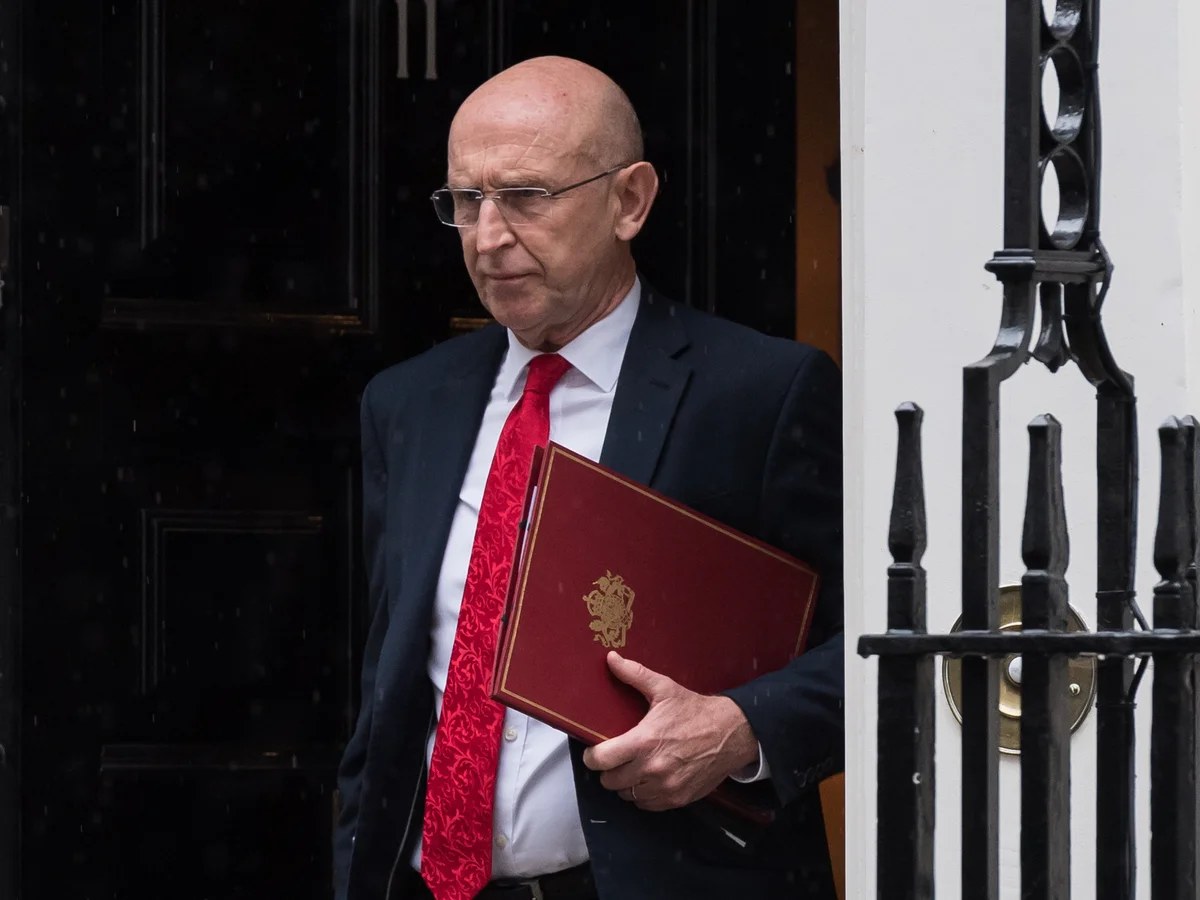
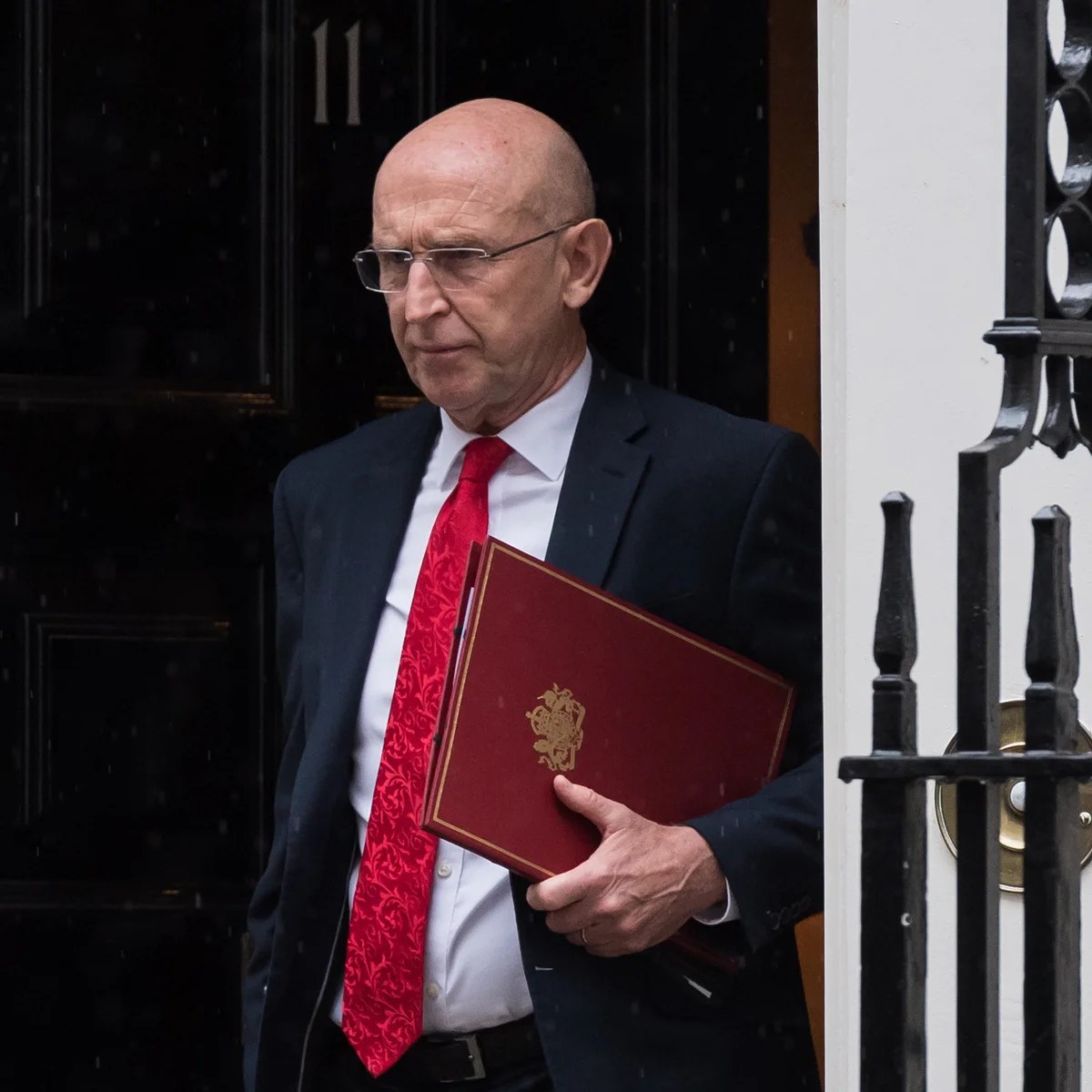
The chancellor is keen to strengthen his team before the critical budget on 28 October, as the economy is buffeted by high oil prices and rising government borrowing costs.
Healey has poached Athwal to be his senior special adviser from the business advisory group Flint Global, previously run by Andy Burnham’s chief of staff, the former Blair-era cabinet minister James Purnell.
Athwal, a Cambridge economics graduate, was closely associated with drawing up Labour’s manifesto, and devising Keir Starmer’s five “missions”, which were meant to shape Labour’s approach to government. He worked as a senior economic adviser in Starmer’s Downing Street team but left after a year to join Flint Global.
A source close to Healey said: “Having Rav join John’s team as an experienced heavyweight economist at the Treasury ahead of this budget will be invaluable. His political nous will add to the special adviser team, providing John with guidance and counsel to the chancellor.”
Burnham flatly denied that he planned to call an early election on Friday. Asked by ITV Calendar whether the next general election would be in 2029, he said, “well, yes, that’s when the next election will be. All of this speculation on an early election, I can knock that dead.”
Nevertheless, Athwal’s presence on Healey’s team could be seen as a strength if the prime minister did decide to draw up a fresh manifesto.
Athwal’s arrival is also likely to increase concerns among some in Labour that the Treasury’s instinctive caution is fuelling a “continuity Starmer” approach to economics.
The pledge at the heart of the manifesto not to increase income tax, national insurance or VAT was seen by Starmer’s team as key to Labour’s landslide victory two years ago. But it is widely agreed that it has restricted the party’s room for manoeuvre once in power.
People with knowledge of Athwal’s thinking suggest he has learned from the travails of Labour’s early months in office, however. One left-of-centre economist said: “I’d say he was at the more interesting and curious end of the Starmerite project.”
Before joining Labour, Athwal was a Treasury civil servant, rising to be head of growth strategy. One former colleague described him as “nice and clever – a good combination”.
After taking over at the Treasury in July, Healey hired Will Straw, who played a leading role in the remain campaign during the Brexit referendum, to be his chief of staff; some of Rachel Reeves’s economic advisers, including Spencer Thompson, stayed on.
Reeves’s chief economic adviser, the former Clean Bandit violinist Neil Amin-Smith, who was closely involved in her plans to devolve more tax revenue to local leaders, has moved across to Burnham’s No 10.
Athwal is expected to arrive in post next week, a month before Healey’s first budget.
With inflation and borrowing costs expected to have wiped out at least half of the headroom Reeves had built up against Labour’s fiscal rules, Healey faces a series of tough decisions.
He has promised to maintain a “buffer against uncertainty” but this is widely expected to be significantly smaller than the £24bn in the spring forecast.
Depending on the Office for Budget Responsibility’s forecasts, restoring the cushion in full would be likely to require large tax rises or spending cuts. But government sources say Healey wants this to be a “focused” budget, after Reeves used her two budgets as chancellor to increase taxes by £70bn a year.
Key decisions about future tax and spending appear likely to be delayed until a Treasury spending review next year, which will come after Burnham has set out his long-term priorities in a 10-year plan, expected after the budget.
Healey has made clear he does not intend to set a timetable for when the UK will spend 3% of gross domestic product on defence at the budget, for example – a target he insisted, when he resigned from Starmer’s government in June, must be met by 2030.
However, hopes of a low-key budget are under pressure from persistently high global oil and gas prices, which make it likely that the energy price cap, which determines UK consumer bills, will rise sharply in January.
Treasury sources have said officials are working “at pace” on options for consumer support, though help is expected to fall far short of the costly universal approach taken by Liz Truss in 2022.
Flint Global was approached for comment.